A Night of Power Interrupted by Panic: Gunfire Rocks the White House Correspondents’ Dinner
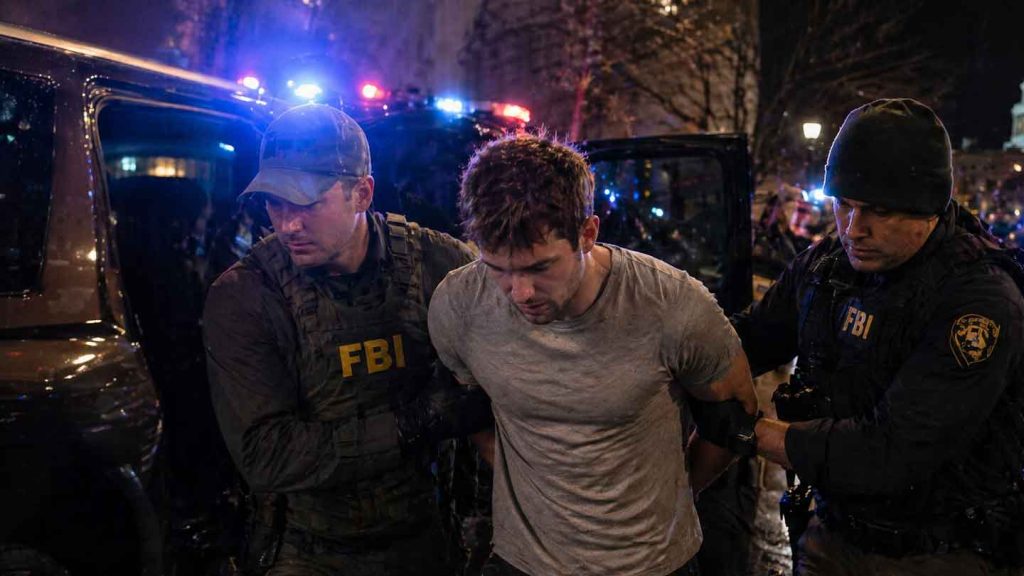
White-House-Shooter.jpg
A Night of Power Interrupted by Panic: Gunfire Rocks the White House Correspondents’ Dinner
Introduction
A night meant to celebrate journalism and political tradition took a dramatic turn when a suspected gunman triggered panic during the White House Correspondents’ Dinner. While no fatalities were reported, the incident has sparked serious concerns about security protocols, public safety, and the future of high-profile gatherings in Washington, D.C.
What Happened During the Incident
According to early reports, chaos erupted after multiple gunshots were heard inside or near the event venue. Witnesses described confusion and fear as attendees were instructed to take cover. Law enforcement quickly responded, securing the area and escorting key officials—including the president and senior staff—to safety.
Authorities later identified the suspect as a 31-year-old man from Southern California. Investigators are now examining his background, including digital communications and possible motives. The suspect reportedly had access to multiple weapons, raising immediate concerns about how such items made it into a highly secured environment.
Rapid Law Enforcement Response
One of the most notable aspects of the incident was the speed at which information and action unfolded. Within a short timeframe, authorities released the suspect’s identity, images, and initial findings. Federal agencies, including the FBI, are actively processing forensic evidence and conducting interviews to determine whether the suspect acted alone.
The swift response from security personnel likely prevented further escalation. Officers on-site reacted within seconds, neutralizing the threat and ensuring that no additional harm occurred. Officials credited training and preparedness for minimizing what could have been a far more tragic outcome.
Questions About Security Protocols
Despite the quick response, the breach has raised serious questions. The White House Correspondents’ Dinner is widely regarded as one of the most secure events in the world, attended by top government officials, journalists, and international guests.
So how did a suspect reportedly carrying multiple weapons gain access to the premises?
Experts are now calling for a full review of security procedures, including guest screening, hotel coordination, and surveillance systems. The incident has also reignited discussions about balancing accessibility with safety at large-scale public events.
Historical Context and Concerns
The venue itself carries historical weight. It has long been associated with high-profile gatherings and, in past decades, has been near locations tied to major security incidents. This latest event adds another chapter to ongoing concerns about safeguarding political and media institutions.
Additionally, the timing of the incident is significant. With upcoming international visits and major public appearances scheduled in Washington, security agencies are under increased pressure to reassess vulnerabilities and strengthen defenses.
What Happens Next
Investigators are focusing on several key areas:
- The suspect’s motive and possible affiliations
- Whether any security lapses occurred
- The effectiveness of current event protocols
Federal charges are expected, and officials have indicated that more details will emerge in the coming days. There is also growing debate over whether future White House Correspondents’ Dinners should continue at the same venue—or be relocated to a more controlled environment.
Broader Implications
Beyond the immediate investigation, the incident highlights a broader issue: the evolving nature of security threats in public and political spaces. Even events with extensive planning and protection are not immune to risk.
Policymakers may now push for increased funding and resources for agencies tasked with protecting national leaders and large gatherings. There is also likely to be renewed focus on intelligence-sharing and preventive measures.
Conclusion
While the situation ended without loss of life, it serves as a stark reminder of the challenges facing modern security operations. The White House Correspondents’ Dinner, a symbol of democratic tradition and press freedom, now finds itself at the center of a critical conversation about safety, preparedness, and resilience.
As investigations continue, one thing is clear: ensuring public safety at high-profile events will require constant adaptation, vigilance, and accountability.
#WhiteHouse #SecurityBreach #BreakingNews #WHCD #PublicSafety #LawEnforcement #FBIInvestigation #WashingtonDC #EventSecurity #PoliticalNews